

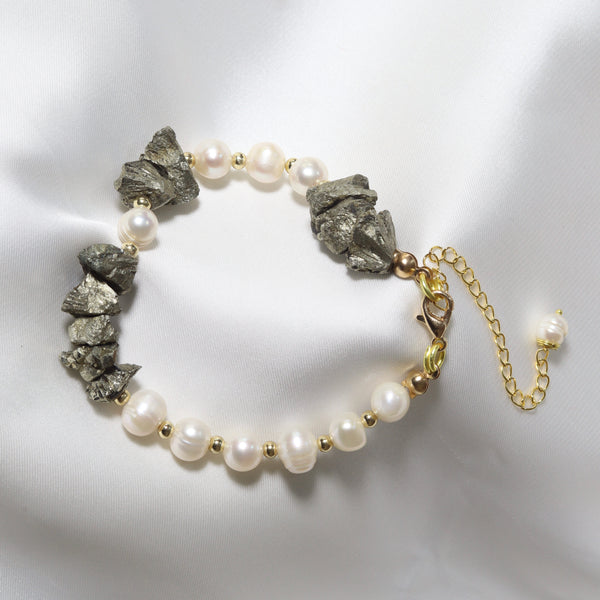
Pyrite Raw & Pearls bracelet.

Expected Delivery on - .

Pyrite Raw & Pearls bracelet.
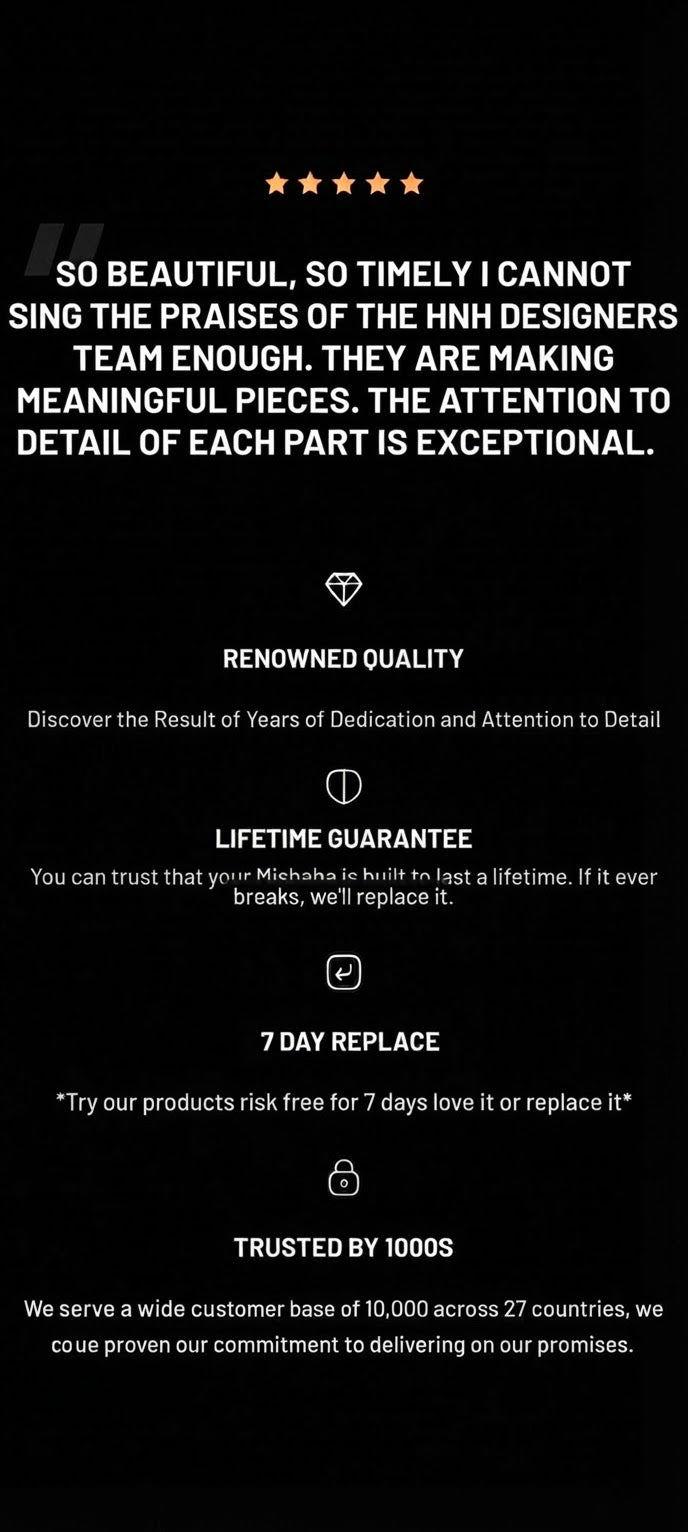
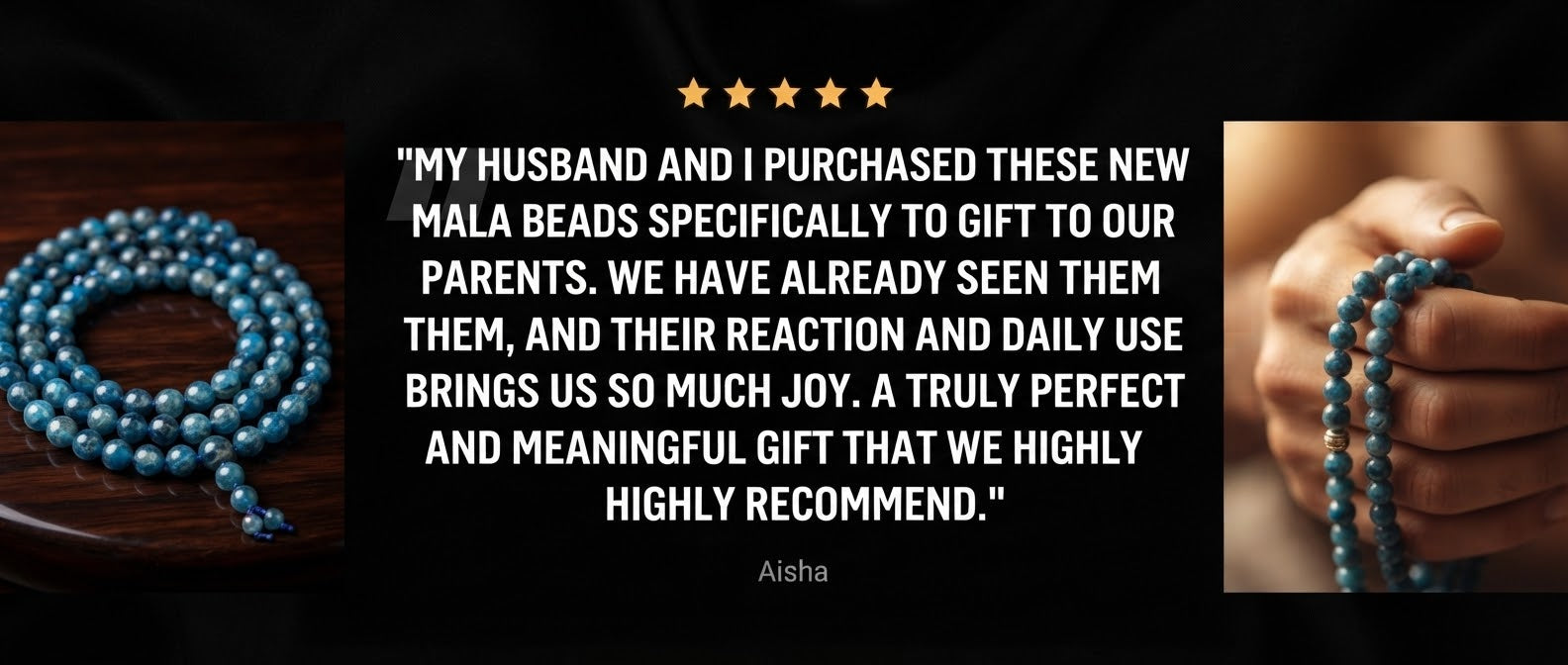
VERIFIED FEEDBACKS
PRODUCT DETAILS
Freshwater Pearls are natural gems created within freshwater mollusks, primarily mussels, as opposed to saltwater pearls, which are produced in oysters. They are known for their iridescent sheen, unique shapes, and variety of colors. Freshwater pearls have gained immense popularity due to their beauty, accessibility, and relatively affordable price compared to their saltwater counterparts.
Freshwater pearls are often more irregular in shape compared to round saltwater pearls. While many are oval, baroque (irregular), or semi-round, they can also come in near-perfect round shapes. Freshwater pearls come in a variety of natural colors, including white, cream, lavender, pink, peach, and even deeper hues like purple or mauve. The color can vary depending on the type of mussel and the environment in which it was grown. Known for their soft, reflective luster, freshwater pearls have a lovely, subtle shine, though they are typically not as shiny as saltwater pearls like Akoya pearls. The size of freshwater pearls can range from small (about 2mm) to larger (up to 15mm or more), with the most common size being around 6-9mm.
Freshwater pearls are mostly harvested in lakes, rivers, and ponds in regions like China, United States. Countries like India, Thailand, and Brazil also produce freshwater pearls.
Pyrite, often called "Fool's Gold," is a shimmering, metallic gold-colored mineral that has captivated people for centuries due to its brilliant luster and its resemblance to real gold. Despite its misleading nickname, Pyrite is a sulfur-containing iron mineral that has significant metaphysical and practical uses. It's widely appreciated for its protective, energetic, and manifestation properties.
Pyrite has a distinctive metallic yellow to golden-brown color, which is often why it’s mistaken for real gold. The gold hue can range from bright, shiny yellow to a darker, more brassy tone. Pyrite crystals form in cubic or octahedral shapes, often with sharp edges and smooth faces. It is also found as massive formations or irregular shapes. Pyrite may also occur in granular or nodular clusters, sometimes with inclusions of other minerals. Pyrite is known for its metallic or glassy luster, which gives it a shiny, reflective surface that resembles the sparkle of gold. Pyrite is a relatively hard mineral with a Mohs hardness of 6–6.5, which means it can scratch glass and other softer materials.

that product in their home or in their hands
FAQ
What makes it so durable ?
Patented High-Tensile Construction: Expertly strung using specialized patented cordage that is 20x stronger than steel, offering exceptional resistance to daily abrasion and wear.
Masterful Craftsmanship: Meticulously perfected to guarantee enduring longevity, transforming each piece from a simple prayer bead into a timeless legacy.
Are they Really Guaranteed for life ?
We proudly stand behind our craftsmanship with an unconditional lifetime guarantee. Should the primary cordage or beads ever experience wear or structural failure, we will restore or replace them, ensuring your misbaha remains an enduring companion throughout your spiritual journey.
Will the Person I Gift it to be Able to Use them For ever ?
Our lifetime guarantee is fully transferable, empowering your loved ones to experience the same exceptional quality and dedicated support from Basmalabeads, and ensuring your gift remains an enduring, cherished heirloom for generations to come.
Can You Ship to my Country ?
We offer worldwide shipping through premier express carriers to ensure swift and reliable delivery. Furthermore, where permitted by local regulations, we manage all customs duties on your behalf, providing a seamless and stress-free international shipping experience.
What justifies the value of our Products ?
Our pieces command a higher value because they are crafted without compromise. From ethically sourcing raw, rare gemstones from around the globe to utilizing space-grade, ultra-durable threading, every misbaha represents an investment in heirloom-quality materials, peerless master craftsmanship, and a lifetime guarantee
Can They Be Replacable ?
Yes, your investment is fully protected. Under our unconditional lifetime guarantee, if your misbaha ever experiences structural failure or damage to its primary cordage and beads, we will repair or replace it. Because our pieces are crafted to be enduring heirlooms, we ensure that your spiritual companion remains pristine and functional for a lifetime—and beyond.