Gemstone tasbih misbaha benefits for dhikr and prayer
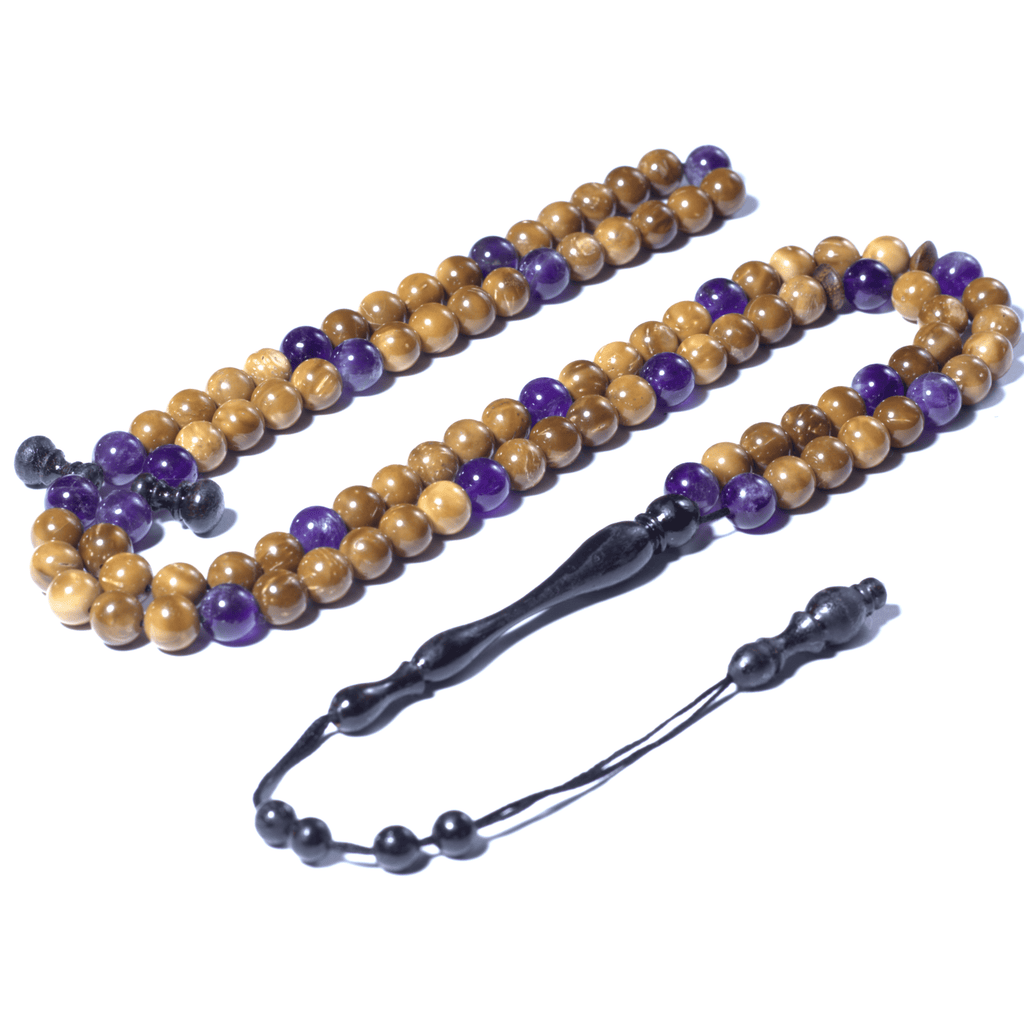
A gemstone tasbih misbaha can shape how you move through dhikr and prayer. The feel of each bead, the weight in your hand, and the material between your fingers all affect your focus. HnH Designers values that quiet connection between craft and devotion.
- Natural stone beads can support steadier attention through touch and rhythm.
- Different stones carry different visual moods, from calm blue to grounded brown tones.
- Rosewood accents and original camel bone can improve balance, grip, and tradition.
- 33-bead and 100-bead designs serve different prayer habits and carrying preferences.
- Handmade finishing matters because it affects comfort, durability, and daily use.
How a gemstone tasbih misbaha changes your focus during dhikr and prayer
Repetition becomes easier to sustain when the beads feel pleasant and stable in your hand. A gemstone tasbih misbaha gives each count a physical point of contact, so your attention has something steady to return to.
That tactile rhythm can reduce distractions during dhikr. Smooth stone surfaces, consistent bead spacing, and a balanced string all help you keep pace without fidgeting or losing count.
How tactile repetition supports steadier attention
When you pass each bead one by one, the motion creates a simple pattern. That pattern can support memory, pace, and calm, especially during longer prayer sessions.
It also helps if the beads are sized well for your fingers. A bead that rolls cleanly feels more natural, and that small comfort makes repeated remembrance less tiring.
Why natural stone texture can feel calmer in the hand
Natural stone has subtle variations in polish, temperature, and density. Those details make the tasbih feel grounded and real, not flat or overly uniform.
Many people prefer that living texture because it invites slower handling. The effect is quiet but meaningful, especially when prayer is part of your daily routine.
Choose a bead finish that feels smooth but not slippery. If the tasbih stays secure in your hand, you can focus on remembrance instead of grip.
Stone choices that shape comfort, meaning, and daily use
Stone selection affects more than appearance. It changes how the tasbih feels, how it sits in the hand, and what personal meaning you attach to it. That is why gemstone prayer beads often become part of a daily habit.
For a visual example, the Lapis Lazuli Tasbih shows how deep blue stone can create a calm, reflective mood. The Citrine offers a warmer tone for a brighter look, while the Emerald Tasbih brings a rich green presence.

Howlite and lapis lazuli for a quiet prayer rhythm
Howlite is often chosen for its pale, calm appearance and soft visual presence. It suits people who want a bead set that feels understated during prayer.
Lapis lazuli offers a different kind of stillness. Its deep blue tone can feel contemplative, which is why it works well for people who prefer a more solemn visual rhythm.
Tiger eye, aqeeq, and agate for grounded daily handling
Tiger eye has a warm, banded look that feels strong and steady in the hand. It is a good choice if you like a bead that looks active without feeling busy.
Aqeeq and agate are valued for their earthy character. They suit daily handling because their natural patterns make each bead easy to distinguish while keeping the overall look grounded.
Citrine, carnelian, sapphire, ruby, and emerald for personal symbolism
Citrine suggests brightness and optimism. Carnelian brings a warmer, more energetic presence, which some people like in a tasbih they carry often.
Sapphire, ruby, and emerald carry a sense of refinement and meaning. They can make a tasbih feel more personal, especially if you value symbolism as much as appearance.
Artisan details that affect durability and feel
Artisan construction matters because prayer beads are handled often. A well-made tasbih should feel smooth, stay balanced, and hold up through repeated use without losing character.
That is where accents and traditional materials matter. Rosewood, original camel bone, and careful finishing can all shape how reliable the piece feels over time.
The Camel Bone Tasbih shows how traditional material can bring a clean, classic feel. The Lapis Lazuli and Lapis Lazuli Aqeeq pieces also show how mixed materials can create a more distinctive devotional object.
Why rosewood accents matter in both balance and grip
Rosewood accents do more than decorate the tasbih. They can improve balance in the strand and make the hand feel more secure as you move from bead to bead.
The wood also adds visual warmth beside gemstone surfaces. That contrast helps the tasbih feel handcrafted, not mass-made, and it often makes the piece easier to handle for longer sessions.
The role of original camel bone in traditional craftsmanship
Original camel bone carries strong traditional value in tasbih making. It gives the strand a classic appearance and a material contrast that feels rooted in prayer bead heritage.
Used with stone, it can soften the overall look while keeping the piece sturdy. It is especially fitting for people who want a tasbih that feels both devotional and culturally familiar.
What handmade finishing says about long-term use
Handmade finishing usually means closer attention to polish, spacing, and thread alignment. Those details matter because they affect how the beads move and how long the strand stays comfortable.
Products such as the Ruby, Emerald Tasbih, and Sapphire Tasbih show how refined finishing can support both beauty and regular use. That is a good sign for anyone seeking a premium tasbih misbaha.
Choosing between 33-bead and 100-bead designs
The right bead count depends on how you pray and carry your tasbih. Some people want a compact piece for quick, repeated use. Others want a longer strand that supports extended dhikr without interruption.
To compare styles in a practical way, look at the Tiger Eye Tasbih for a 33-bead option and the Tiger Eye Lava Bracelet for a 100-bead style.
When a 33-bead tasbih fits a daily prayer routine
A 33-bead tasbih is compact and easy to finish in one set. It suits people who want a simple companion for regular prayer or short dhikr sessions.
It also fits well in a pocket or small pouch. If you like a focused object that feels direct and manageable, 33 beads is often the more practical choice.
When a 100-bead tasbih suits longer dhikr sessions
A 100-bead tasbih supports longer remembrance without as much resetting. That makes it useful for extended sessions, travel, or times when you want to keep count with less interruption.
Many people also like the fuller presence of a longer strand in the hand. It can feel more continuous, especially if you enjoy a slower rhythm.
How your routine, pace, and carrying preference guide the choice
If you carry your tasbih all day, a smaller strand may be easier to keep close. If you often sit for longer dhikr, the longer option can feel more comfortable.
Your pace matters too. Fast, frequent use often favors a compact 33-bead design, while a deliberate and extended routine often fits a 100-bead tasbih better.
Final thoughts
A gemstone tasbih misbaha brings together devotion, touch, and craft. The right stone can support calm focus, while artisan details like rosewood accents and original camel bone can improve durability and daily comfort.
Whether you prefer the quiet presence of howlite, the depth of lapis lazuli, or the grounded look of tiger eye, the best choice is the one that matches your prayer habits. HnH Designers recommends choosing the strand that feels natural in your hand and meaningful in your routine.
Choose a tasbih that matches your prayer routine
FAQ
-
Posted in
dhikr, gemstone, gemstone tasbih, misbaha, prayer beads